-
×
 ACPARE – Commercial Capital Structure Mastery
1 × $90.00
ACPARE – Commercial Capital Structure Mastery
1 × $90.00 -
×
 Regan Hillyer – 7 Days To A Kick Ass New You
1 × $122.00
Regan Hillyer – 7 Days To A Kick Ass New You
1 × $122.00 -
×
 Cris Chico – Find Motivated Sellers Online
1 × $54.95
Cris Chico – Find Motivated Sellers Online
1 × $54.95 -
×
 NICABM – Working With Core Beliefs of “Never Good Enough”
2 × $27.00
NICABM – Working With Core Beliefs of “Never Good Enough”
2 × $27.00 -
×
 Ethan Vorly – The Meditation Solution (12 levels)
1 × $67.00
Ethan Vorly – The Meditation Solution (12 levels)
1 × $67.00 -
×
 David Snyder – Secrets of Face Reading and Chinese Medical Hypnotherapy 2018
1 × $97.00
David Snyder – Secrets of Face Reading and Chinese Medical Hypnotherapy 2018
1 × $97.00 -
×
 Jerry Acuff – Selling Excellence by Thinking Like a Customer
2 × $9.00
Jerry Acuff – Selling Excellence by Thinking Like a Customer
2 × $9.00 -
×
 Balance your Brain – Virginia Rounds Griffiths
1 × $15.00
Balance your Brain – Virginia Rounds Griffiths
1 × $15.00 -
×
 Pendulum Alchemy – Emotional Healing With Pendulums 2.0
1 × $29.00
Pendulum Alchemy – Emotional Healing With Pendulums 2.0
1 × $29.00 -
×
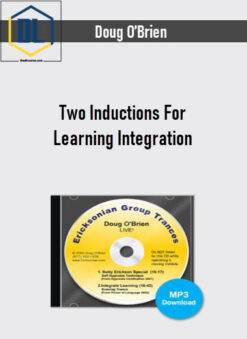 Doug O’Brien – Two Inductions For Learning Integration
1 × $12.00
Doug O’Brien – Two Inductions For Learning Integration
1 × $12.00 -
×
 Joe Dispenza – The Magic Walk: A Guided Children’s Walking Meditation
1 × $10.00
Joe Dispenza – The Magic Walk: A Guided Children’s Walking Meditation
1 × $10.00 -
×
 Dan Kennedy - Copywriting Mastery and Sales Thinking Boot Camp
2 × $75.00
Dan Kennedy - Copywriting Mastery and Sales Thinking Boot Camp
2 × $75.00 -
×
 Christina Berkley – The 5K Project
1 × $34.00
Christina Berkley – The 5K Project
1 × $34.00 -
×
 Anastasia – Pinterest SEO Traffic Secrets
1 × $17.00
Anastasia – Pinterest SEO Traffic Secrets
1 × $17.00 -
×
 Digital Income Project – Content MBA
2 × $33.00
Digital Income Project – Content MBA
2 × $33.00 -
×
 Bob Burns – The Swan Speaks
1 × $17.00
Bob Burns – The Swan Speaks
1 × $17.00 -
×
 Ross Jeffries – Ultimate Language Pattern Collection
1 × $37.00
Ross Jeffries – Ultimate Language Pattern Collection
1 × $37.00 -
×
 Ryan Rigney – FBA Traffic and Funnel Mastery
1 × $16.00
Ryan Rigney – FBA Traffic and Funnel Mastery
1 × $16.00 -
×
 Kirill Eremenko – Forex Robots – Expect To Earn 175% P.A. Forex Robot Included
1 × $9.00
Kirill Eremenko – Forex Robots – Expect To Earn 175% P.A. Forex Robot Included
1 × $9.00 -
×
 Video Hero – Local Video Ad Hero 2.0
2 × $67.00
Video Hero – Local Video Ad Hero 2.0
2 × $67.00 -
×
 Talmadge Harper – Singularity: Remote Viewing
1 × $15.00
Talmadge Harper – Singularity: Remote Viewing
1 × $15.00 -
×
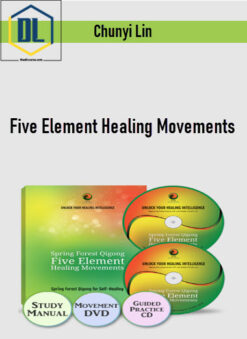 Chunyi Lin – Five Element Healing Movements
1 × $33.00
Chunyi Lin – Five Element Healing Movements
1 × $33.00 -
×
 201 – Module 02 The 12 Treasures Qigong by Flowing Zen
1 × $32.00
201 – Module 02 The 12 Treasures Qigong by Flowing Zen
1 × $32.00 -
×
 Dr Joel – Body Weight Training – Advance On The Go Training
1 × $25.00
Dr Joel – Body Weight Training – Advance On The Go Training
1 × $25.00 -
×
 Pat Stedman – Masterclass
1 × $114.00
Pat Stedman – Masterclass
1 × $114.00 -
×
 BeSomebodyFX – The Real Fundamental Analysis
2 × $11.00
BeSomebodyFX – The Real Fundamental Analysis
2 × $11.00 -
×
 Complete 32+ Hour Video Training Course 2008
2 × $25.00
Complete 32+ Hour Video Training Course 2008
2 × $25.00 -
×
 Nadine Lee – Erotic Pulse
2 × $194.00
Nadine Lee – Erotic Pulse
2 × $194.00 -
×
 Christine Marie – Designing to Delight
1 × $24.00
Christine Marie – Designing to Delight
1 × $24.00 -
×
 Talmadge Harper – Human Lie Detector
1 × $15.00
Talmadge Harper – Human Lie Detector
1 × $15.00 -
×
 Hale Dwoskin - Sedona Method - Inner Circle Volume 3
1 × $31.00
Hale Dwoskin - Sedona Method - Inner Circle Volume 3
1 × $31.00 -
×
 Philipp Humm – Power of StorySelling
1 × $9.00
Philipp Humm – Power of StorySelling
1 × $9.00 -
×
 Gabriel Guerrero – Explorando Metaforas Hipnoticas
1 × $29.90
Gabriel Guerrero – Explorando Metaforas Hipnoticas
1 × $29.90 -
×
 Joint Venture Equity vs. Fund Structures™
1 × $135.00
Joint Venture Equity vs. Fund Structures™
1 × $135.00 -
×
 Donna Eden with David Feinstein – The Energies of Love: The Invisible Key to Fulfilling Relationship
1 × $15.00
Donna Eden with David Feinstein – The Energies of Love: The Invisible Key to Fulfilling Relationship
1 × $15.00 -
×
 David Rainoshek – Juicefeasting – The 92-Day Nutrition Course
1 × $53.00
David Rainoshek – Juicefeasting – The 92-Day Nutrition Course
1 × $53.00 -
×
 Stratagem Trading – Unbalanced Birds
2 × $239.00
Stratagem Trading – Unbalanced Birds
2 × $239.00 -
×
 Bob Proctor – 12 Principles For Winning The Mind Game
1 × $13.00
Bob Proctor – 12 Principles For Winning The Mind Game
1 × $13.00 -
×
 Tom Torero, Jon Matrix & Yad – Daygame.com: Date Against The Machine
3 × $10.00
Tom Torero, Jon Matrix & Yad – Daygame.com: Date Against The Machine
3 × $10.00 -
×
 Steve Roye – Killer Stand Up Comedy System
1 × $19.00
Steve Roye – Killer Stand Up Comedy System
1 × $19.00 -
×
 Dalton Luka – The GMB Framework
1 × $9.00
Dalton Luka – The GMB Framework
1 × $9.00 -
×
 Derek Rake – Shogun Sequences Handbook Volume 2
1 × $19.00
Derek Rake – Shogun Sequences Handbook Volume 2
1 × $19.00 -
×
 Renaissance Periodization – “Male Physique Training Templates”
1 × $37.00
Renaissance Periodization – “Male Physique Training Templates”
1 × $37.00 -
×
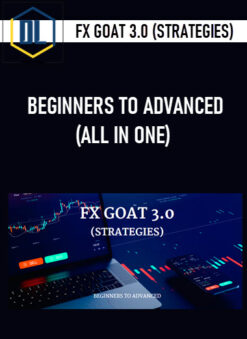 FX GOAT 3.0 (STRATEGIES) – BEGINNERS TO ADVANCED (ALL IN ONE)
1 × $9.00
FX GOAT 3.0 (STRATEGIES) – BEGINNERS TO ADVANCED (ALL IN ONE)
1 × $9.00 -
×
 Andrew Mioch – Lasting System
2 × $273.00
Andrew Mioch – Lasting System
2 × $273.00 -
×
 Dan Englander – The Agency Lead Generation Course 2.0
1 × $9.00
Dan Englander – The Agency Lead Generation Course 2.0
1 × $9.00 -
×
 Jason Henderson – “Email Response Warrior + Email Inbox Warrior”
1 × $9.00
Jason Henderson – “Email Response Warrior + Email Inbox Warrior”
1 × $9.00 -
×
 The Wing Girl Method – The Approach Blueprint
1 × $9.00
The Wing Girl Method – The Approach Blueprint
1 × $9.00 -
×
 Managing and Thriving in Uncertainty John Overdurf
1 × $9.00
Managing and Thriving in Uncertainty John Overdurf
1 × $9.00 -
×
 Julie Solomon – Pitch It Perfect
1 × $67.00
Julie Solomon – Pitch It Perfect
1 × $67.00 -
×
 John Overdurf – Splitting Synesthesias within the Rhizome
1 × $42.00
John Overdurf – Splitting Synesthesias within the Rhizome
1 × $42.00 -
×
 Ratisse – Attract, Seduce, Date
1 × $14.00
Ratisse – Attract, Seduce, Date
1 × $14.00 -
×
 Gemma Bonham-Carter – 2-Hour Brand Book
1 × $9.00
Gemma Bonham-Carter – 2-Hour Brand Book
1 × $9.00 -
×
 RROP – Low Timeframe Supply & Demand
1 × $9.00
RROP – Low Timeframe Supply & Demand
1 × $9.00 -
×
 Debbie Drum – Review Swap Club
1 × $9.00
Debbie Drum – Review Swap Club
1 × $9.00 -
×
 Ross Jeffries – New Code Next Generation
1 × $21.00
Ross Jeffries – New Code Next Generation
1 × $21.00 -
×
![Wei Qi Feng Laoshi – Self-Healing Methods Of The Circulatory System [Recordings ONLY]](https://thedlcourse.com/wp-content/uploads/2024/11/Wei-Qi-Feng-Laoshi-–-Self-Healing-Methods-Of-The-Circulatory-System-Recordings-ONLY-247x339.jpg) Wei Qi Feng Laoshi – Self-Healing Methods Of The Circulatory System [Recordings ONLY]
1 × $32.00
Wei Qi Feng Laoshi – Self-Healing Methods Of The Circulatory System [Recordings ONLY]
1 × $32.00 -
×
 Dan Kennedy – Effortless Selling Strategies
1 × $47.00
Dan Kennedy – Effortless Selling Strategies
1 × $47.00 -
×
 Helena Nista – Masturbation Coaching
1 × $14.00
Helena Nista – Masturbation Coaching
1 × $14.00 -
×
 100 Day Challenge – Gary Ryan Blair
1 × $43.00
100 Day Challenge – Gary Ryan Blair
1 × $43.00 -
×
 Dean Jackson – Finding Getting and Selling Listings
1 × $62.00
Dean Jackson – Finding Getting and Selling Listings
1 × $62.00 -
×
 Levee Road Studio – Pinterest Rank Boost 2.0
1 × $27.00
Levee Road Studio – Pinterest Rank Boost 2.0
1 × $27.00 -
×
 Donna Eden – Meridians – Acupoints and Energy Checks
1 × $27.00
Donna Eden – Meridians – Acupoints and Energy Checks
1 × $27.00 -
×
 Kenrick Cleveland – Unconscious Neuro Modelling (Unified and Complete)
1 × $9.00
Kenrick Cleveland – Unconscious Neuro Modelling (Unified and Complete)
1 × $9.00 -
×
 Alexander – Day Game Phone Game
1 × $9.00
Alexander – Day Game Phone Game
1 × $9.00 -
×
 Tarzan Kay – Email Empire
1 × $93.00
Tarzan Kay – Email Empire
1 × $93.00 -
×
 Subliminal Shop – Develop Maximum Sexual Irresistibility Ver. 3.3.1-D
1 × $30.00
Subliminal Shop – Develop Maximum Sexual Irresistibility Ver. 3.3.1-D
1 × $30.00 -
×
 Jon Benson – VSL Fast Track 2018
1 × $48.00
Jon Benson – VSL Fast Track 2018
1 × $48.00 -
×
 John Romaine – SEO Campaign Process
1 × $14.00
John Romaine – SEO Campaign Process
1 × $14.00 -
×
 Steven Heller – Unconscious Restructuring
1 × $19.90
Steven Heller – Unconscious Restructuring
1 × $19.90 -
×
 Adam Eason – High Self Esteem In 21 Days
1 × $15.00
Adam Eason – High Self Esteem In 21 Days
1 × $15.00 -
×
 Jason Julius – Rock Hard Code
1 × $16.00
Jason Julius – Rock Hard Code
1 × $16.00 -
×
 Couples Therapy for Treating Trauma: The Gottman Method Approach – John M. Gottman & Julie Schwartz Gottman
1 × $34.00
Couples Therapy for Treating Trauma: The Gottman Method Approach – John M. Gottman & Julie Schwartz Gottman
1 × $34.00


-80%

Buy With Coupon: DLC25 (-25%)
Internal Family Systems Therapy (IFS): 2-Day Experiential Workshop – Richard C. Schwartz
Original price was: $299.00.$59.00Current price is: $59.00.
Product Delivery : Instant Deliver
Description
Internal Family Systems Therapy (IFS): 2-Day Experiential Workshop – Richard C. Schwartz
Salepage: Internal Family Systems Therapy (IFS): 2-Day Experiential Workshop – Richard C. Schwartz
Description
As a young therapist, I often struggled to get results. I avoided my client’s internal emotions and instead tried to control the difficult symptoms I was seeing – which led to heated arguments and frustration rather than progress.
When I started listening closely to my clients, I finally discovered the answer to healing and transformation…
As clients would talk about their different parts (and how the parts felt pain and emotions), I realized that was the key – we have to free each part from the trauma, abuse, attachment injuries and suffering that they feel.
Since I began developing Internal Family Systems (IFS) 30 years ago, it has been scientifically tested to be effective at helping a wide variety of mental health conditions – such as trauma, addiction, anxiety, and depression – which is why it is one of the fastest-growing approaches in therapy.
Hailed by Dr. Bessel van der Kolk, IFS will transform your clients’ lives as they learn to heal themselves. No more therapist directives or insights, rather IFS will provide a connection with your client that creates lasting healing.
Please join me in this unique recording. I will give you valuable feedback, guided instruction, and share powerful in-session videos of IFS in action. I want to give you the skills you need to use IFS, so you can improve what you’re doing in the therapy room – and see transformation in your clients’ lives.
Objectives
- Summarize Internal Family Systems (IFS) steps, concepts, and techniques to inform the clinician’s choice of treatment interventions.
- Develop a deep understanding of how neuroscience informs therapeutic decisions in IFS therapy.
- Identify, specify, and clarify the protective parts of clients who have a history of trauma to help with assessment and treatment planning.
- Articulate the IFS belief that all parts want something positive for the client and how the parts will use a variety of strategies to gain influence within the internal system.
- Compile an alternate view of client symptoms and psychopathology, showing how client’s parts are trying to protect them from emotional and psychological pain for purposes of client psychoeducation.
- Demonstrate how IFS translates common comorbidities into parts language, showing a non-pathological perspective of mental health disorders as it relates to clinical treatment.
- List three protocols of IFS and how to apply them when working with clients who have complex developmental trauma.
- Explain the three categories of sub personalities that clients most often present in therapy.
- Identify and describe the qualities of self to improve client engagement.
- Identify the seven most common manager fears and how to effectively address each one in session.
- Explore how clients are forced into their extreme roles of being managers and firefighters in order to protect and defend the system from pain.
- Discover common stuck points for IFS therapists in relation to assessment and treatment planning.
Outline
Internal Family System (IFS)
- Origins of IFS – the work of Richard Schwartz, PhD
- A non-pathologizing, accelerated approach rooted in neuroscience
- Apply inner resources and self-compassion for healing
- How to heal implicit memory wounds
- Study limitations: small sample size, no control group
- Clinical considerations for clients experiencing abuse
The IFS Technique
Step 1: Identify the Diagnoses & Symptoms
- Assess the diagnoses: PTSD, anxiety, depression, substance abuse, and eating disorders
- Apply meditation practices
- Find the symptom, focus on its fear
- Separate the person from the symptom
- Become curious about it
- Find the real story behind the symptom
Step 2: Gain Access to Internal Strengths & Resource for Healing
- Move from defensiveness to curiosity
- Access compassion to open the pathways toward healing
- Foster “internal attachment” work
- The “Self” of the therapist-countertransference redefined
Step 3: Healing of the Traumatic Wound
- Three phases to healing the wound:
- Witness the pain
- Remove the wounded part out of the past
- Let go of the feelings, thoughts, and beliefs
Empowering IFS-Specific Grounding Techniques
- Flashbacks
- Panic attacks
- Suicide
- Dissociation
Target Audience
- Counselors
- Social Workers
- Psychologists
- Psychotherapists
- Addiction Counselors
- Case Managers
- Marriage & Family Therapists
- Nurses
- Chaplains & Clergy
- Other Professionals Who Work within the Mental Health Fields
Faculty
Richard C. Schwartz, PhD
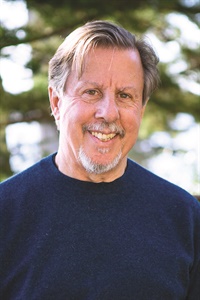
Richard Schwartz began his career as a family therapist and an academic at the University of Illinois at Chicago. There he discovered that family therapy alone did not achieve full symptom relief and in asking patients why, he learned that they were plagued by what they called “parts.” These patients became his teachers as they described how their parts formed networks of inner relationship that resembled the families he had been working with.
He also found that as they focused on and, thereby, separated from their parts, they would shift into a state characterized by qualities like curiosity, calm, confidence and compassion. He called that inner essence the Self and was amazed to find it even in severely diagnosed and traumatized patients. From these explorations, the Internal Family Systems (IFS) model was born in the early 1980s.
IFS is now evidence-based and has become a widely-used form of psychotherapy, particularly with trauma. It provides a non-pathologizing, optimistic, and empowering perspective and a practical and effective set of techniques for working with individuals, couples, families, and more recently, corporations and classrooms.
In 2013, Schwartz left the Chicago area and now lives in Brookline, MA where he is on the faculty of the Department of Psychiatry at Harvard Medical School.
Readmore about: Richard C. Schwartz
Delivery Policy
When will I receive my course?
You will receive a link to download your course immediately or within 1 to 21 days. It depends on the product you buy, so please read the short description of the product carefully before making a purchase.
How is my course delivered?
We share courses through Google Drive, so once your order is complete, you'll receive an invitation to view the course in your email.
To avoid any delay in delivery, please provide a Google mail and enter your email address correctly in the Checkout Page.
In case you submit a wrong email address, please contact us to resend the course to the correct email.
How do I check status of my order?
Please log in to TheDLCourse account then go to Order Page. You will find all your orders includes number, date, status and total price.
If the status is Processing: Your course is being uploaded. Please be patient and wait for us to complete your order. If your order has multiple courses and one of them has not been updated with the download link, the status of the order is also Processing.
If the status is Completed: Your course is ready for immediate download. Click "VIEW" to view details and download the course.
Where can I find my course?
Once your order is complete, a link to download the course will automatically be sent to your email.
You can also get the download link by logging into your TheDLCourse account then going to Downloads Page.
Related products
-80%

Original price was: $199.99.$39.00Current price is: $39.00.
-66%

Original price was: $199.00.$67.00Current price is: $67.00.
-83%
Original price was: $199.00.$33.00Current price is: $33.00.
-95%

Original price was: $199.00.$9.00Current price is: $9.00.
-58%

Original price was: $149.00.$62.00Current price is: $62.00.
-43%
Original price was: $56.00.$32.00Current price is: $32.00.
-72%

Original price was: $199.99.$55.00Current price is: $55.00.
-74%

Original price was: $149.00.$39.00Current price is: $39.00.