-
×
 Joseph Riggio – 7 Days to Genius – Make 2018 Your Best Year Ever GB
2 × $55.00
Joseph Riggio – 7 Days to Genius – Make 2018 Your Best Year Ever GB
2 × $55.00 -
×
 Arash Dibazar – Ravi
1 × $7.00
Arash Dibazar – Ravi
1 × $7.00 -
×
 Mark Rasmus – Intrinsic Energies of Internal Martial Arts
1 × $12.00
Mark Rasmus – Intrinsic Energies of Internal Martial Arts
1 × $12.00 -
×
 Richard Bandler – Ericksonian Hypnosis – An NLP Perspective
1 × $27.00
Richard Bandler – Ericksonian Hypnosis – An NLP Perspective
1 × $27.00 -
×
 Dr. Baskaran Pillai – Millionaire Yoga – Full Program
1 × $37.00
Dr. Baskaran Pillai – Millionaire Yoga – Full Program
1 × $37.00 -
×
 Body By Rings
1 × $33.00
Body By Rings
1 × $33.00 -
×
 Cal Banyan & Gerald Kein – Hypnosis and Hypnotherapy
1 × $15.00
Cal Banyan & Gerald Kein – Hypnosis and Hypnotherapy
1 × $15.00 -
×
 Complete 32+ Hour Video Training Course 2008
2 × $25.00
Complete 32+ Hour Video Training Course 2008
2 × $25.00 -
×
 Gabriel – Cold Email Mastery Course 2020
1 × $42.00
Gabriel – Cold Email Mastery Course 2020
1 × $42.00 -
×
 Simpler Options – Ultimate Options Trading Blueprint
1 × $19.00
Simpler Options – Ultimate Options Trading Blueprint
1 × $19.00 -
×
 DAN BACON – Alpha Male Power
1 × $45.00
DAN BACON – Alpha Male Power
1 × $45.00 -
×
 Master Trader – Learn Trading Late Day Breakouts & Breakdowns
1 × $19.00
Master Trader – Learn Trading Late Day Breakouts & Breakdowns
1 × $19.00 -
×
 B The Trader – Trading Course
1 × $20.00
B The Trader – Trading Course
1 × $20.00 -
×
 Ginny and Laura – 400K Instagram Launches
1 × $9.00
Ginny and Laura – 400K Instagram Launches
1 × $9.00 -
×
 Bob Burns – The Swan Speaks
1 × $17.00
Bob Burns – The Swan Speaks
1 × $17.00 -
×
 Bob Proctor – 12 Principles For Winning The Mind Game
2 × $13.00
Bob Proctor – 12 Principles For Winning The Mind Game
2 × $13.00 -
×
 Lynne McTaggart – Developing Psychic Abilities
1 × $15.00
Lynne McTaggart – Developing Psychic Abilities
1 × $15.00 -
×
 Compulsive Hoarding: Conceptualizing and Treating the Chaos – Pam Kaczmarek
1 × $35.00
Compulsive Hoarding: Conceptualizing and Treating the Chaos – Pam Kaczmarek
1 × $35.00 -
×
 Ross Jeffries – Ultimate Language Pattern Collection
2 × $37.00
Ross Jeffries – Ultimate Language Pattern Collection
2 × $37.00 -
×
 Wendy Patton – Wealth Building Arsenal
1 × $107.00
Wendy Patton – Wealth Building Arsenal
1 × $107.00 -
×
 Michael Merlino – CTR Geeks Course
1 × $9.00
Michael Merlino – CTR Geeks Course
1 × $9.00 -
×
 Jermain Linton – Create Unlimited $450 Credit Adwords Accounts and VCCs
1 × $50.00
Jermain Linton – Create Unlimited $450 Credit Adwords Accounts and VCCs
1 × $50.00 -
×
 Alexey Molchanov – Foundational Breathwork
1 × $37.00
Alexey Molchanov – Foundational Breathwork
1 × $37.00 -
×
 Kenrick Cleveland – Structure Of Thought
1 × $9.00
Kenrick Cleveland – Structure Of Thought
1 × $9.00 -
×
 Greg Davis – The Scale Youtube To $100k/Day Workshop Recordings Package
1 × $10.00
Greg Davis – The Scale Youtube To $100k/Day Workshop Recordings Package
1 × $10.00 -
×
 Mark Metternich – Ultimate Sharpening Workflow for Fine Art Printing
1 × $19.00
Mark Metternich – Ultimate Sharpening Workflow for Fine Art Printing
1 × $19.00 -
×
 William Bronchick – The Ultimate Guide to Buy & Hold Real Estate Course
1 × $62.00
William Bronchick – The Ultimate Guide to Buy & Hold Real Estate Course
1 × $62.00 -
×
 Lynne McTaggart – Power Of Eight Intention Masterclass 2019
1 × $60.00
Lynne McTaggart – Power Of Eight Intention Masterclass 2019
1 × $60.00 -
×
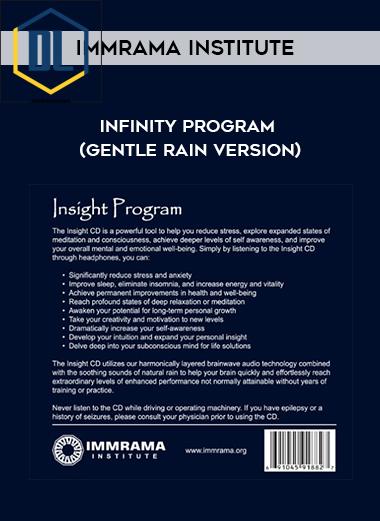 Immrama Institute – Infinity Program (Gentle Rain Version)
1 × $19.00
Immrama Institute – Infinity Program (Gentle Rain Version)
1 × $19.00 -
×
 Greg Frost – Chargedaudio NLP Subliminal CD Mind Power Scries
1 × $19.90
Greg Frost – Chargedaudio NLP Subliminal CD Mind Power Scries
1 × $19.90 -
×
 Lien Abatement Pre - Certification Home Study Course
1 × $60.00
Lien Abatement Pre - Certification Home Study Course
1 × $60.00 -
×
 RROP – Low Timeframe Supply & Demand
1 × $9.00
RROP – Low Timeframe Supply & Demand
1 × $9.00 -
×
 Arash Dibazar – Deja vu
1 × $7.00
Arash Dibazar – Deja vu
1 × $7.00 -
×
 FXC Trading – Holy Grail
1 × $35.00
FXC Trading – Holy Grail
1 × $35.00 -
×
 Kenrick Cleveland - The Dark Side of Covert Hypnosis
1 × $9.00
Kenrick Cleveland - The Dark Side of Covert Hypnosis
1 × $9.00 -
×
 Jim Huntzicker – MLS Domination
1 × $30.00
Jim Huntzicker – MLS Domination
1 × $30.00 -
×
 Sean Michael Andrews – Instant and Rapid Inductions (2nd edition)
1 × $23.00
Sean Michael Andrews – Instant and Rapid Inductions (2nd edition)
1 × $23.00 -
×
 10 Best Diamond Aloha Activations, Discourses and Transmissions – Dia
1 × $87.00
10 Best Diamond Aloha Activations, Discourses and Transmissions – Dia
1 × $87.00 -
×
 NICABM – How to Work with the Part of Trauma That Your Patient Can’t Verbalize
1 × $25.00
NICABM – How to Work with the Part of Trauma That Your Patient Can’t Verbalize
1 × $25.00

-85%

Buy With Coupon: DLC25 (-25%)
NICABM – Working with Traumatic Memory
Original price was: $197.00.$29.00Current price is: $29.00.
Product Delivery: Instant Deliver
Description
NICABM – Working with Traumatic Memory
Salepage: NICABM – Working with Traumatic Memory
Description of Working with Traumatic Memory
Expert Strategies for Working with Traumatic Memory
Long after danger has passed, the nervous system may still remember trauma . . .
. . . which can leave clients feeling hypervigilant, dissociative, or numb for years to come.
So to help clients heal, we need to understand what makes traumatic memory so overwhelming, and the most effective ways to work with it.
Not only that, we need strategies so clients can “unlearn” the nervous system’s response to trauma.
That’s why we created a course that focuses solely on how to work with traumatic memories that get embedded in the nervous system.
Three of the world’s top experts will share how they treat clients who have experienced trauma. This new program brings together their sharpest strategies for working with traumatic memory.
What you’ll learn in Working with Traumatic Memory
Expert Strategies for Working with Traumatic Memory
How Trauma Affects the Four Types of Memory
Peter Levine, PhD Bessel van der Kolk, MD

- The Core Problem with Focusing on a Client’s Traumatic History
- How Trauma Disrupts a Client’s Ability to Make Meaning from an Experience
- The Specific Type of Memory That Trauma Can Shut Down (That Robs Our Clients of a Sense of Purpose and Direction)
How the Nervous System Gets Tricked into Thinking Trauma Is Happening in the Present
Bessel van der Kolk, MD Peter Levine, PhD

- How to Avoid Triggering a Client’s Reactive or Protective Response When Working with Trauma
- The One Key Factor That Can Make Traumatic Memory Overwhelming (and How to Work with It)
- How Trauma Derails the Time-Keeping Part of the Brain (and One Way to Bring It Back)
- What Can Go Wrong When We’re Helping a Client Come Out of a Dissociated State
How Trauma Can Affect Procedural Memory and Create Maladaptive Patterns
Bessel van der Kolk, MD Pat Ogden, PhD Peter Levine, PhD

- How to Release Procedural Memory That Gets Corrupted and Reestablished as Painful Physical Patterns
- Why Procedural Memories Can Be Challenging for Our Clients to Work With
- What to Do When There’s a Procedural Pattern in a Client’s Thoughts
What Can Happen When a Procedural Memory Becomes “Stuck”
Peter Levine, PhD Pat Ogden, PhD

- Two Ways to Approach Procedural Memory That Gets Expressed Through the Body
- Case Study: Working with a Symptom When There’s No Memory of Trauma
- How to Work with Traumatic Memory That Forms at a Preverbal Level
Four Strategies to Help Clients Tolerate and Integrate Traumatic Memory
Pat Ogden, PhD Bessel van der Kolk, MD

- How to Help Clients “Unlearn” Their Nervous System’s Response to Trauma
- How to Build Up Inner Resources to Prevent Overstimulation and Shutdown
- How to Uncover “Survival Resources” and Transform a Traumatic Memory
- How to Help Clients Change Their Orienting Habits to Calm the Nervous System
Critical Insights on How to Work with Traumatic Memory
Ron Siegel, PsyD Ruth Lanius, MD, PhD

- How to Help Clients Learn to Differentiate Between the Past and the Present
- How to Help Clients Create a “Grounding Kit” to Soothe the Flashback Experience and Bring Them Into the Present Moment
- Case Study: When a Flashback Is a Form of Self-Punishment
Key Concrete Practices for Addressing Trauma Memories
Joan Borysenko, PhD Bill O’Hanlon, LMFT

- How to Regenerate the Hippocampus to Help Clients Repair Memory after Trauma
- Two Techniques to Help Clients Who Have Experienced Trauma Reorient to a Hopeful Future
- Making Meaning Out of Trauma: A Case Study
Course Director – Ruth Buczynski, PhD:
Dr. Ruth Buczynski is a licensed psychologist and founder and president of The National Institute for the Clinical Application of Behavioral Medicine (NICABM). NICABM helps physicians, nurses, psychologists, social workers, and counselors – practitioners who have some of the most significant and life-changing
missions on the planet – provide cutting-edge, research-based treatment strategies to their patients. For more than 25 years, NICABM has offered accredited training and professional development programs to thousands of practitioners worldwide.
Readmore about : NICABM
Delivery Policy
When will I receive my course?
You will receive a link to download your course immediately or within 1 to 21 days. It depends on the product you buy, so please read the short description of the product carefully before making a purchase.
How is my course delivered?
We share courses through Google Drive, so once your order is complete, you'll receive an invitation to view the course in your email.
To avoid any delay in delivery, please provide a Google mail and enter your email address correctly in the Checkout Page.
In case you submit a wrong email address, please contact us to resend the course to the correct email.
How do I check status of my order?
Please log in to TheDLCourse account then go to Order Page. You will find all your orders includes number, date, status and total price.
If the status is Processing: Your course is being uploaded. Please be patient and wait for us to complete your order. If your order has multiple courses and one of them has not been updated with the download link, the status of the order is also Processing.
If the status is Completed: Your course is ready for immediate download. Click "VIEW" to view details and download the course.
Where can I find my course?
Once your order is complete, a link to download the course will automatically be sent to your email.
You can also get the download link by logging into your TheDLCourse account then going to Downloads Page.
Related products
-92%

Original price was: $197.00.$15.00Current price is: $15.00.
-67%

Original price was: $29.90.$10.00Current price is: $10.00.
-92%

Original price was: $388.00.$31.00Current price is: $31.00.
-57%

Original price was: $51.00.$22.00Current price is: $22.00.
-84%

Original price was: $297.00.$47.00Current price is: $47.00.
-89%

Original price was: $499.00.$57.00Current price is: $57.00.
-58%
Original price was: $45.00.$19.00Current price is: $19.00.